
Restore a Tooth
Dental Crowns in Scarborough
A crown caps and protects a weak, cracked, or treated tooth so you can bite and chew with confidence again.
When a tooth is too damaged for a simple filling, a crown covers the whole tooth like a custom cap, restoring its shape and strength. At Cedarbrae Dental Center on Lawrence Ave East, we use plain language to explain your material options and help you decide when a crown is the right fix.
Open 7 days a week, including Saturdays and Sundays.
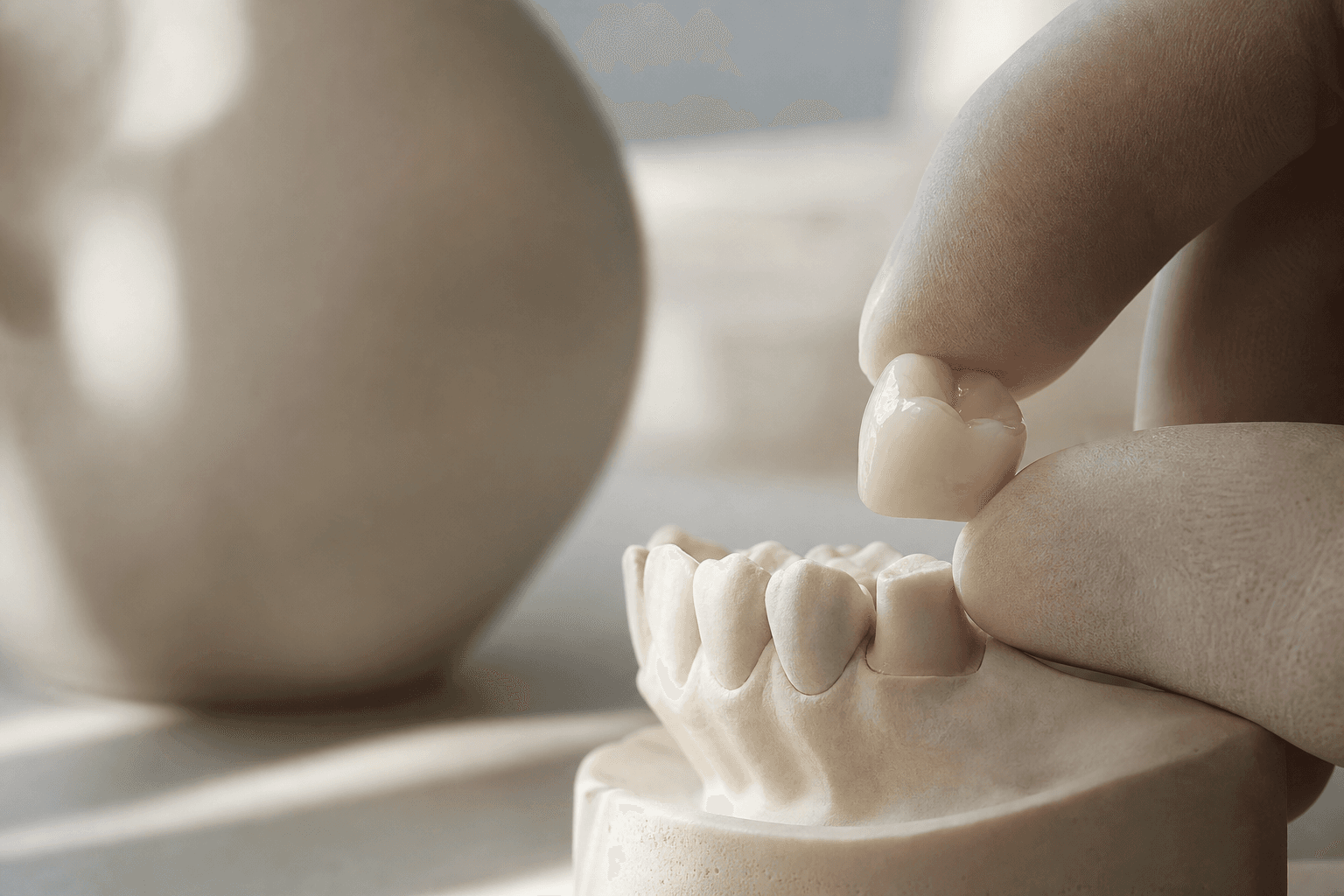
When a tooth needs a crown
A crown is a custom-made cap that covers a tooth completely, restoring its shape, size, and strength. A filling replaces a small part of a tooth, but when too much of the tooth is missing or weakened, a filling has nothing solid to hold onto and the tooth is at risk of cracking. That is where a crown comes in — it wraps around the whole tooth and holds it together.
The most common reasons for a crown are a cracked or heavily worn tooth, a large old filling that keeps breaking down, a tooth that has had a root canal and become brittle, or a badly broken tooth after an accident. Crowns are also used on top of dental implants to replace missing teeth. In each case the goal is the same: protect what is left of the tooth so it keeps working for years.
A crown is not always the answer. For smaller damage, a filling or bonding may be enough, and we will never recommend a crown you do not need. When a tooth is beyond saving, we will talk honestly about replacing it, sometimes with a bridge that uses crowns on the neighbouring teeth, or with an implant.
Signs a crown may be the right choice
Not every damaged tooth needs a crown, but these situations often call for one. We confirm what your tooth needs at your exam.
- A tooth is cracked, or a large old filling keeps breaking down.
- A tooth has had a root canal and needs protection from cracking.
- A tooth is badly broken or worn down and a filling would not hold.
- You want to restore a single missing tooth on top of a dental implant.
- A tooth needs to anchor a bridge that replaces a neighbouring missing tooth.
Have questions about dental crowns? Talk to us — we're open 7 days a week.
Request AppointmentHow a crown is made and fitted
Exam and options
We check the tooth, take any images needed, and confirm a crown is the right fix rather than a filling. We talk through the material choices and what suits that tooth and your bite.
Preparing the tooth
Under local anaesthetic, we gently shape the tooth so the crown will fit over it snugly. If the tooth is broken down, we may build it up first to give the crown a solid foundation.
Impression and temporary
We take an impression or digital scan of the prepared tooth and usually fit a temporary crown to protect it while your custom crown is made.
Fitting the final crown
At your next visit we check the fit, shape, and colour of your permanent crown, adjust the bite so it feels natural, and bond it firmly in place.
Aftercare
We explain how to care for the crown, which is much like caring for a natural tooth. Regular checkups let us keep an eye on it and the tooth beneath.
What affects the cost of a crown
The cost of a crown depends mainly on the material you choose and how much work the tooth needs before the crown goes on. A straightforward crown is different from one that needs the tooth rebuilt first.
- The material — for example, all-porcelain, metal, or a porcelain-fused-to-metal crown.
- Any work needed first, such as a filling to build up a broken tooth or a root canal.
- Which tooth it is and how it fits into your bite.
- The lab work involved in making the custom crown.
A crown typically costs more than a filling because it covers the whole tooth and is custom-made, but it can save a tooth that a filling could not, avoiding the greater cost of losing and replacing it. We help you navigate your insurance and any CDCP coverage, and you receive an exact written quote after your exam, before any treatment begins.
Learn more about using your dental insurance or the Canadian Dental Care Plan.
Benefits and limits of crowns
Benefits
- Restores strength to a cracked, worn, or treated tooth so you can chew normally.
- Protects a root-canal-treated tooth from breaking.
- Custom-shaped and shaded to blend with your other teeth.
- With good care, a crown can last many years.
Honest limits
- Preparing a tooth for a crown removes some tooth structure and cannot be reversed.
- A crown protects the tooth but the tooth underneath can still get decay at the edges if not cleaned well.
- Crowns can chip or come loose over time and may eventually need replacing.
- A crown restores one tooth; a missing tooth needs a bridge, implant, or denture instead.
Insurance and CDCP
Crowns are a common restorative treatment that many dental plans help cover, though the amount and any waiting periods vary by plan. Our front desk can help you check your coverage and submit the claim so you understand your share before we start.
If you qualify for the Canadian Dental Care Plan (CDCP), we can talk through what it may include for a crown in your situation. We do not promise a specific coverage outcome, since that depends on your eligibility and plan, but we always provide a clear written estimate up front so there are no surprises.
Frequently asked questions
Reading for your dental crowns questions
Explore care questions and relevant treatment comparisons before your appointment.
Related treatments
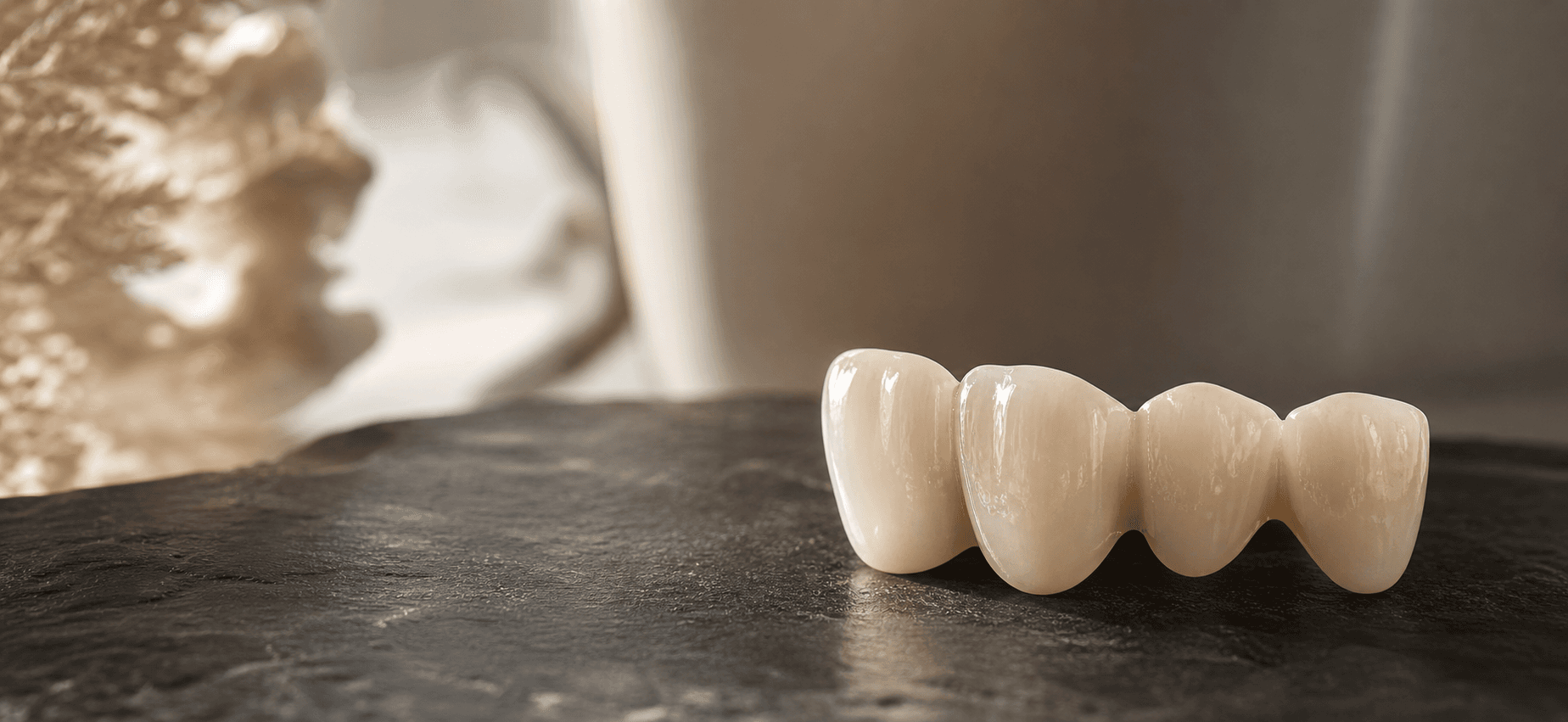
Dental Bridges
A fixed replacement for one or more missing teeth that doesn't come out of your mouth.
Learn more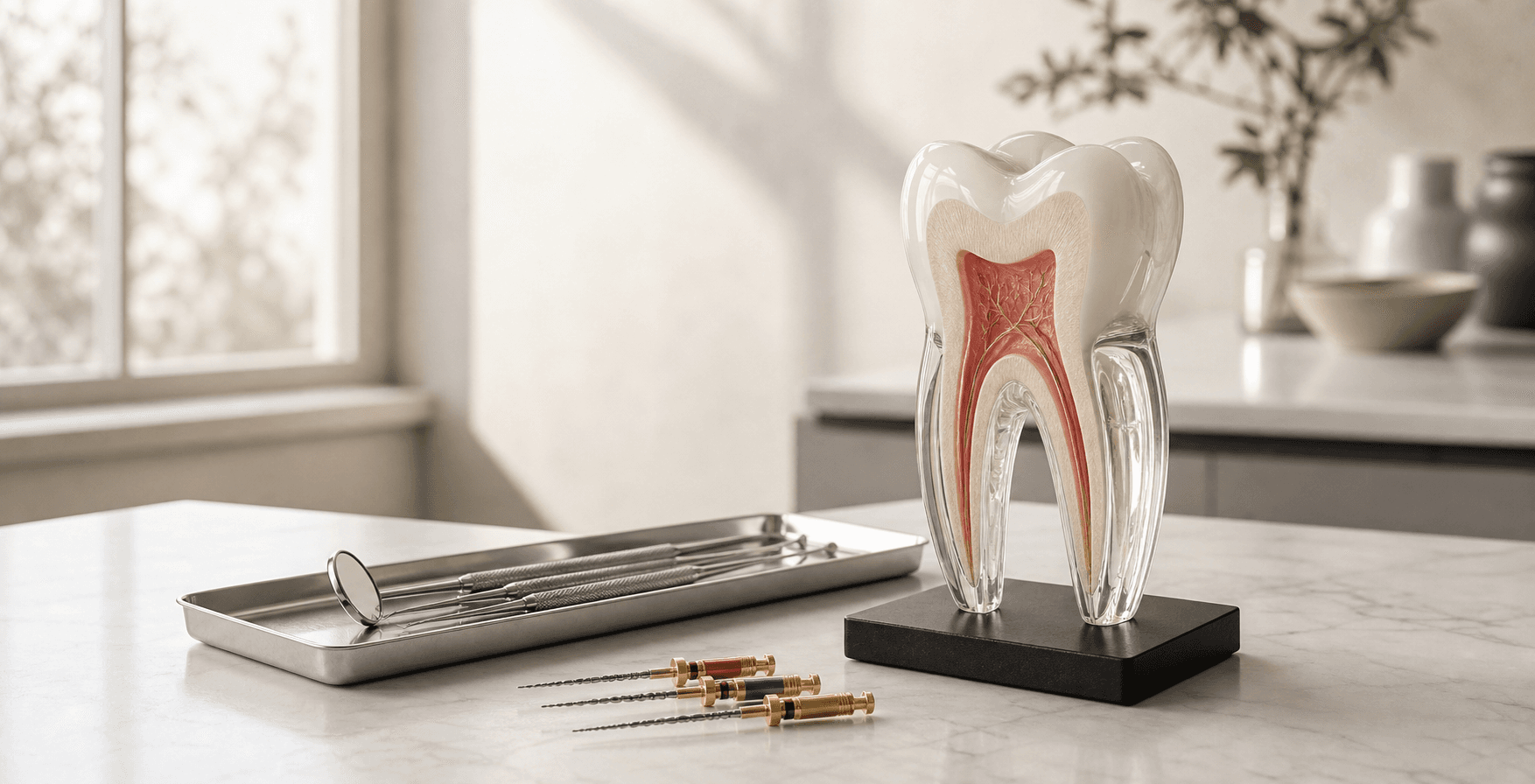
Root Canal Therapy
A root canal relieves the pain of an infected tooth and lets you keep it — and it is far gentler than its reputation suggests.
Learn more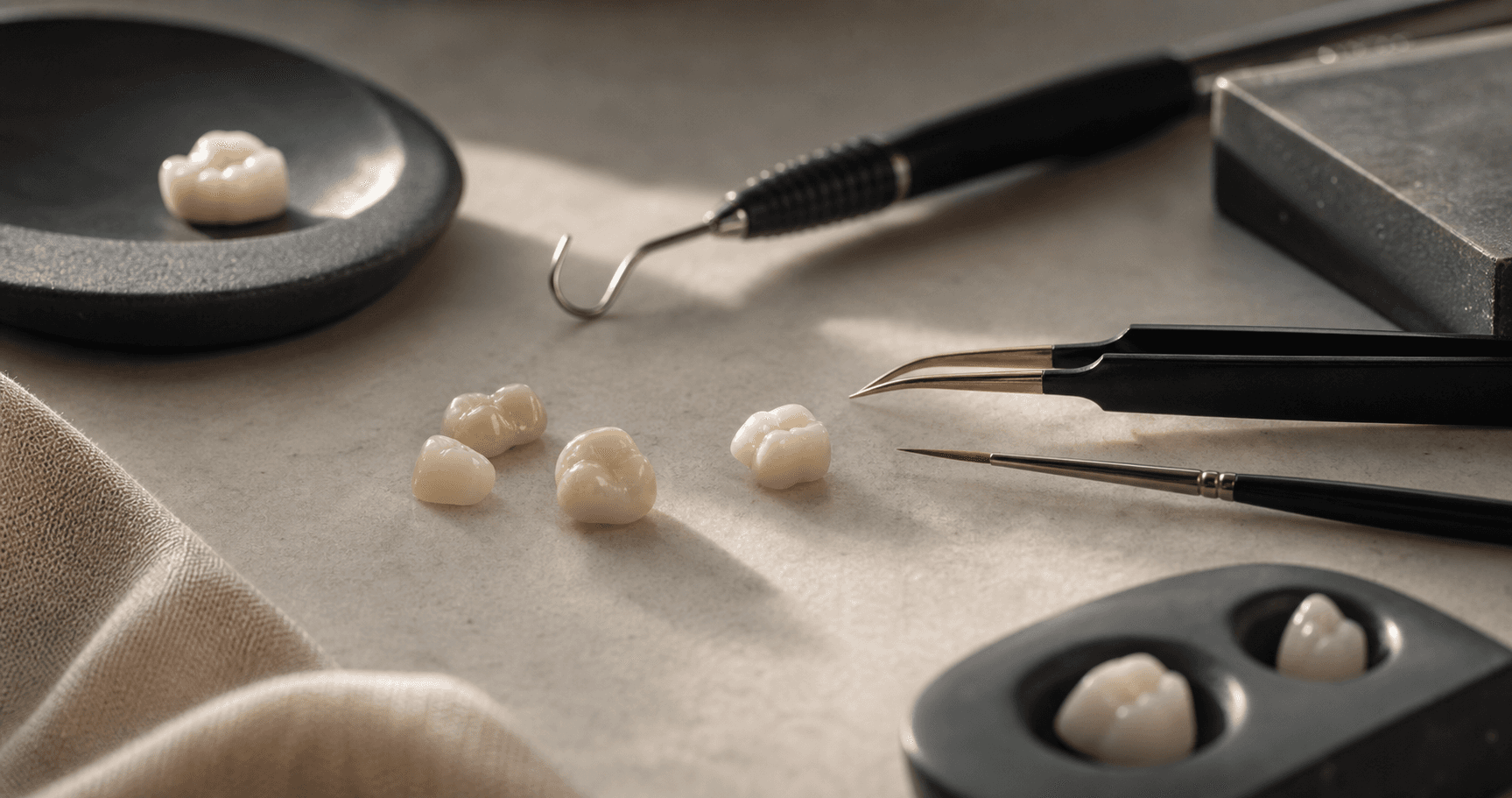
Dental Fillings
A tooth-coloured filling that treats the cavity and blends in, usually finished in one visit.
Learn moreReady to talk about dental crowns?
A crown caps and protects a weak, cracked, or treated tooth so you can bite and chew with confidence again.