
Implant Dentistry
Dental Implants in Scarborough
A stable, natural-feeling way to replace one tooth or several, planned around your bone, your bite, and your budget.
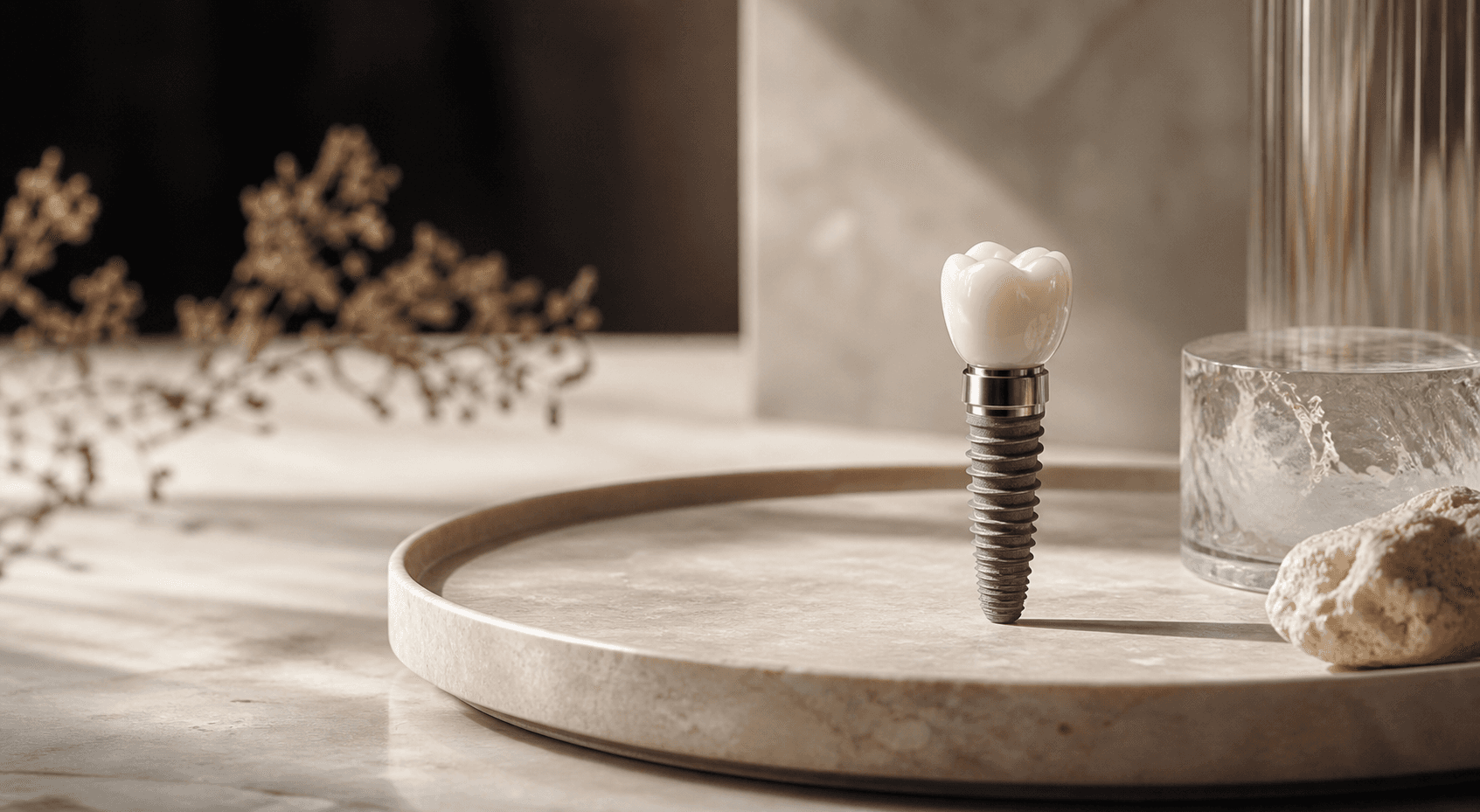
A dental implant is a small titanium post that takes the place of a missing tooth root. Once it bonds with your jawbone, it can support a crown, a bridge, or a full set of teeth. At Cedarbrae Dental Center on Lawrence Ave East, we plan each implant case carefully for patients across Scarborough and the east end of Toronto, and explain every step before we begin.
Open 7 days a week, including Saturdays and Sundays.
What a dental implant actually is
When you lose a tooth, you lose two things: the part you can see, and the root that held it in the bone. A dental implant replaces the root. It is a small, screw-shaped post, usually made of titanium, that we place into the jaw where the tooth used to be. Over a few months the bone grows around it and locks it in place, a process called osseointegration. Only then do we attach the visible tooth on top.
That two-part design is what makes implants feel different from other tooth replacements. Because the post is anchored in bone, the new tooth does not slide, rock, or need a wire clasping onto neighbouring teeth. Many patients tell us they forget which tooth is the implant. It can be used to replace a single tooth, to hold a bridge across a wider gap, or to secure a denture that used to move around.
Implants are not right for every situation, and we will always tell you honestly when a bridge or denture may be the better fit. What follows is meant to help you understand the options so the conversation in the chair makes sense.
Are you a candidate for implants?
Most healthy adults can be considered for implants, but a few things matter for the tooth to succeed long term. We assess these at your consultation, not over the phone.
- Enough healthy jawbone to hold the post, or the option to build it up with a graft first.
- Healthy gums — active gum disease is treated before any implant is placed.
- General health that supports healing; conditions like uncontrolled diabetes or heavy smoking can slow it.
- A commitment to daily cleaning and regular checkups, since implants still need care.
- Realistic timing — implants are a staged treatment, not a same-day fix in most cases.
Have questions about dental implants? Talk to us — we're open 7 days a week.
Request AppointmentWhat the process looks like, step by step
Consultation and imaging
We examine the area, review your medical history, and take the images we need to see the bone and nearby nerves. This tells us whether the site is ready for an implant or needs preparation first.
Bone assessment and any grafting
If the ridge is thin or a tooth has been missing for years, bone may have shrunk. In some cases we add a graft and let it heal before placing the implant. For complex grafts, we coordinate with trusted Scarborough specialists and stay involved throughout.
Placing the implant
The post is placed under local anaesthetic in a focused appointment. Most patients are surprised by how manageable it feels and describe the recovery as milder than a tooth extraction.
Healing and integration
Over roughly three to six months the bone bonds to the post. During this time you can usually wear a temporary tooth so you are never left with an obvious gap.
The final tooth
Once the implant is stable, we take an impression and attach a custom crown, bridge, or denture attachment. We check the bite and shade so the result blends with your other teeth.
Honest benefits and limits
Benefits
- Feels and functions much like a natural tooth for eating and speaking.
- Does not require grinding down healthy neighbouring teeth the way a traditional bridge can.
- Helps preserve jawbone in the area, since the post stimulates the bone.
- Can last many years with good care, and the crown on top can be replaced if it ever wears.
Honest limits
- Treatment takes months from start to finish because healing cannot be rushed.
- Some cases need grafting first, which adds time and cost.
- Implants can still be affected by gum infection if cleaning slips, so they are not maintenance-free.
- Not everyone has enough bone or the right health profile, and we will say so plainly.
What affects the cost of implants
There is no single price for an implant because every mouth is different. What drives the cost is how many teeth you are replacing, whether you need a bone graft or extraction first, and the type of tooth we place on top.
- The number of implants and whether they support one tooth, a bridge, or a full arch.
- Any preparatory work such as extractions or bone grafting.
- The material and design of the final crown, bridge, or denture attachment.
- Imaging and planning needed to place the implant safely.
Ask what the written implant estimate includes and what is charged separately. Implants and implant-supported prostheses are excluded from CDCP coverage.
Learn more about using your dental insurance or the Canadian Dental Care Plan.
Insurance, CDCP, and payment
Many dental plans cover part of implant treatment, though the amount varies widely by plan. Some cover the crown but treat the implant post differently, so it helps to check the details. Our front desk is happy to help you understand your plan and submit claims on your behalf.
Implants and implant-supported prostheses are excluded from CDCP coverage. Ask for an explanation of your expected total before consenting.
Frequently asked questions
Reading for your dental implants questions
Explore care questions and relevant treatment comparisons before your appointment.
Related treatments
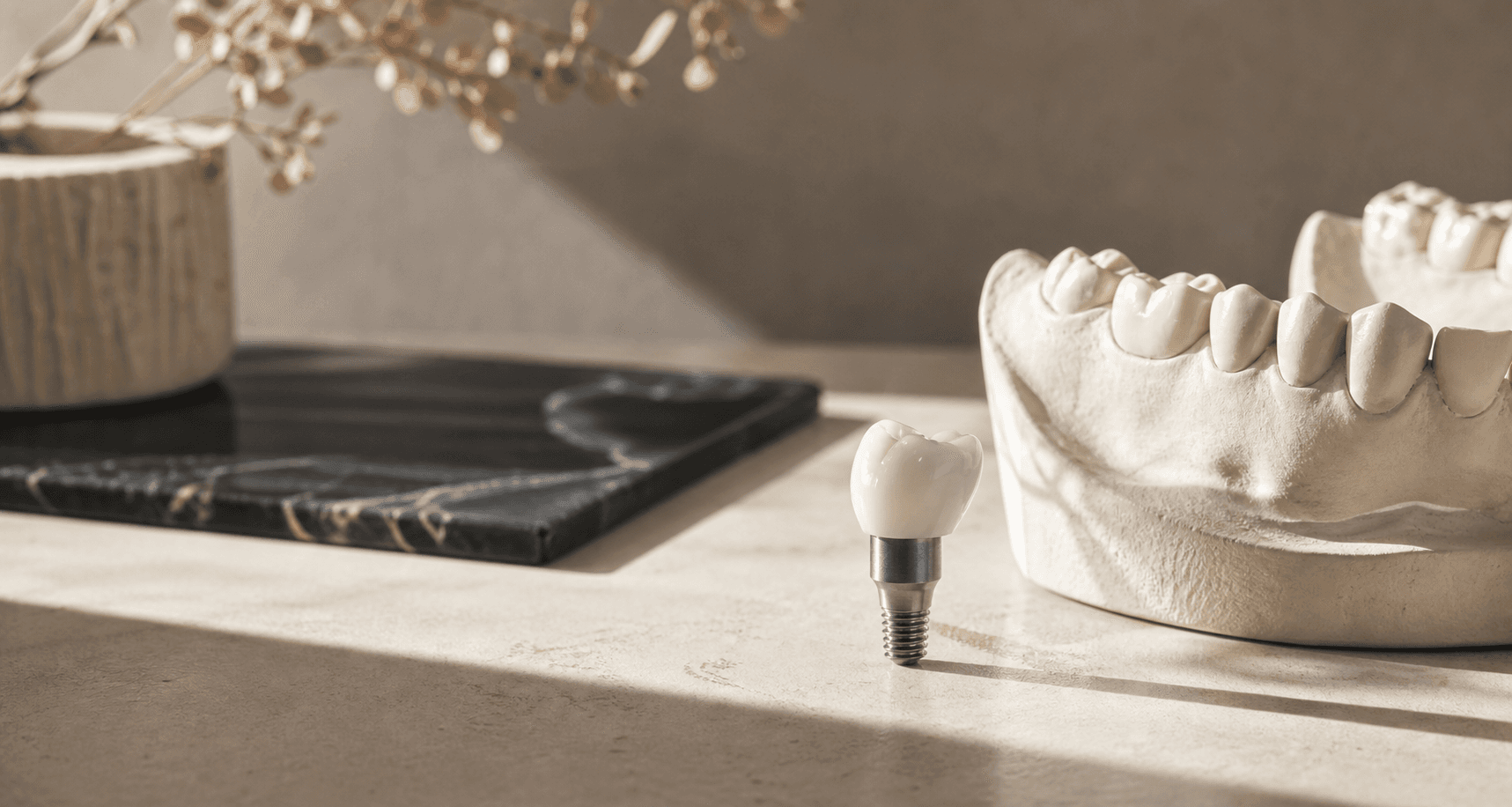
Implant Crowns
The visible tooth that completes your implant, fitted and shaped to match your smile.
Learn more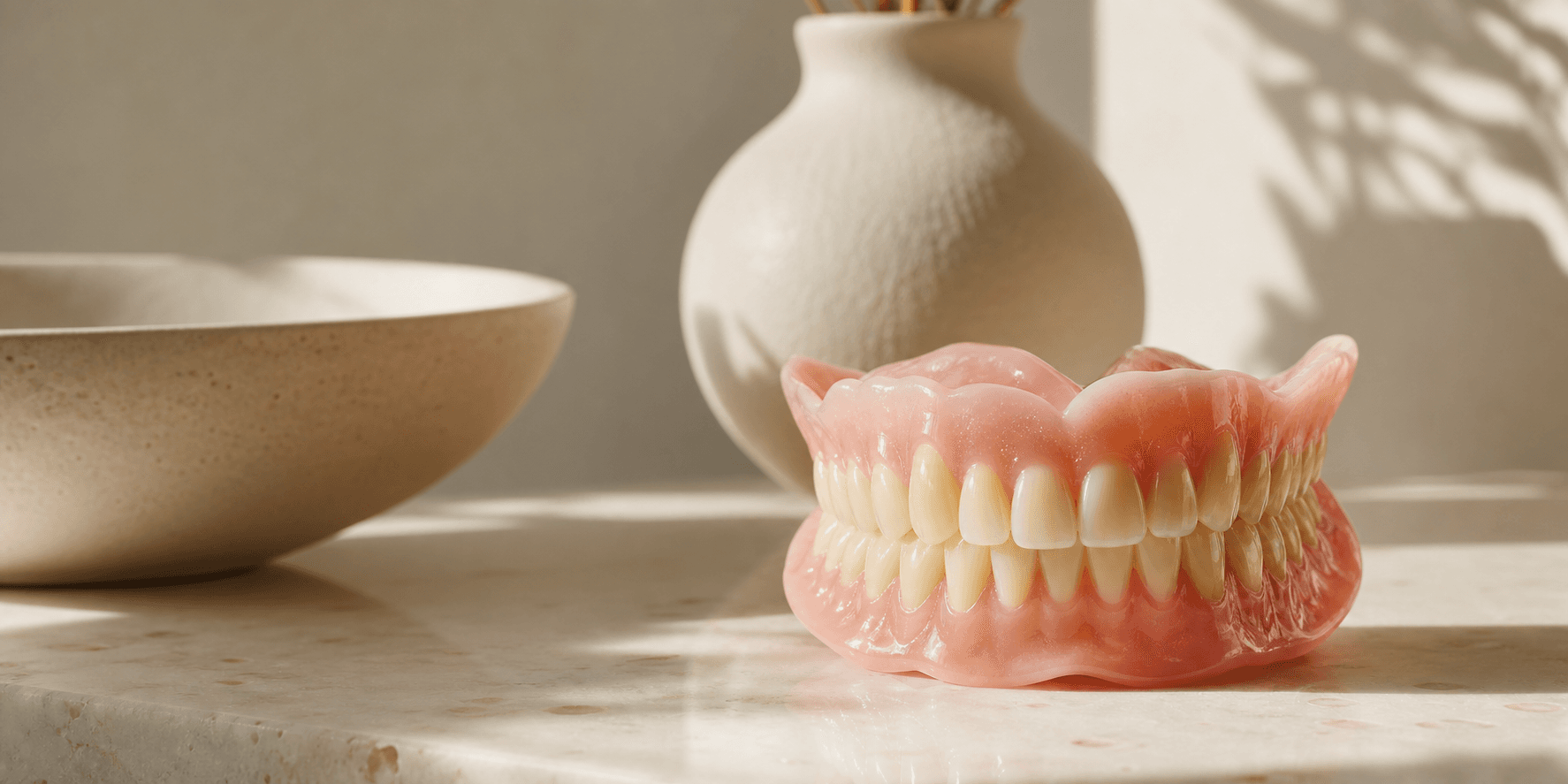
Dentures
A full set of replacement teeth, fitted and adjusted until they work for you.
Learn more
Tooth Extractions
When a tooth can't be saved, a calm, gentle process and clear aftercare instructions.
Learn moreReady to talk about dental implants?
A stable, natural-feeling way to replace one tooth or several, planned around your bone, your bite, and your budget.