
Save Your Tooth
Root Canal Therapy in Scarborough, Without the Fear
A root canal relieves the pain of an infected tooth and lets you keep it — and it is far gentler than its reputation suggests.
When the nerve inside a tooth becomes infected or badly inflamed, a root canal removes the source of the pain and saves the tooth. At Cedarbrae Dental Center on Lawrence Ave East, we focus on keeping you comfortable and explaining each step, so a treatment many people dread turns out to be the thing that finally stops the ache.
Open 7 days a week, including Saturdays and Sundays.
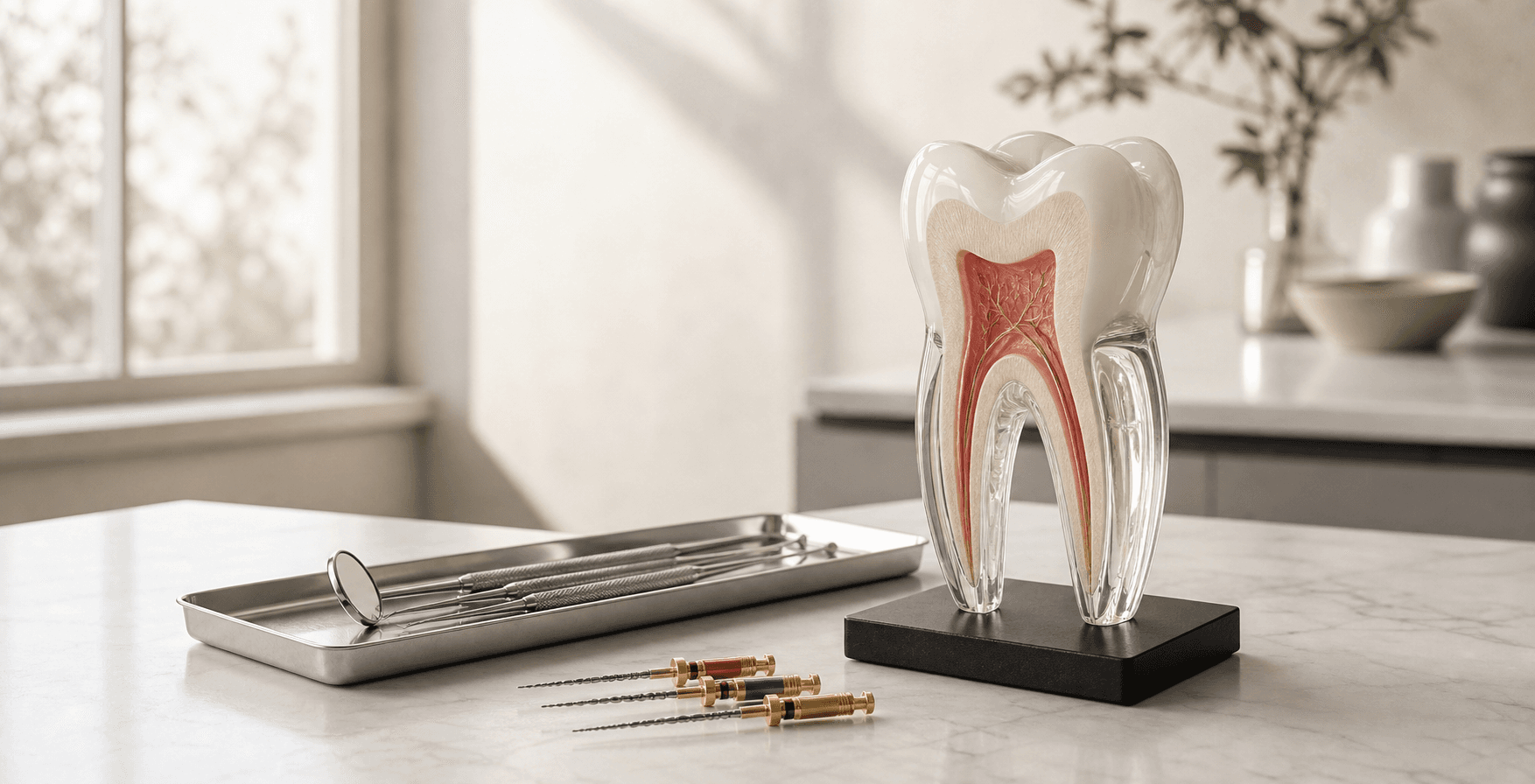
Why a root canal is really about relief
Inside every tooth is a soft core called the pulp, made up of nerves and blood vessels. When decay reaches deep enough, or a tooth cracks, bacteria can get into that pulp and infect it. That infection is what causes the throbbing, lingering pain many people describe — pain that can wake you at night or make it hard to bite down. A root canal removes the infected pulp, cleans the space, and seals it, which takes the pressure and the source of pain away.
The name has a bad reputation, but that reputation is out of date. The discomfort people remember is almost always the toothache before treatment, not the procedure itself. With modern anaesthetic, having a root canal is much like having a deep filling. Our job is to get you numb, work gently, and keep you informed, so the appointment is far calmer than you expect.
The alternative to saving the tooth is usually removing it, which then leaves a gap to deal with. Keeping your own tooth, when it can be saved, is almost always the better long-term choice, and a root canal is what makes that possible.
What a root canal can and cannot do
Benefits
- Relieves the pain of an infected or inflamed tooth at its source.
- Lets you keep your natural tooth rather than removing it and filling the gap.
- Stops the infection from spreading further in the tooth and surrounding bone.
- A treated tooth, once restored, can function for many years.
Honest limits
- A tooth that has had a root canal usually needs a crown afterward to protect it, since it becomes more brittle.
- Very cracked or badly broken teeth cannot always be saved, even with a root canal.
- Occasionally a tooth needs a second treatment or specialist referral if healing is incomplete.
- A root canal treats the tooth, but you still need to address what caused the decay in the first place.
Have questions about root canal therapy? Talk to us — we're open 7 days a week.
Request AppointmentWhat happens during treatment
Numbing the tooth
We start by fully numbing the area with local anaesthetic. You should not feel pain during the procedure; most patients feel only mild pressure and vibration, much like a filling.
Reaching and cleaning the pulp
We make a small opening in the top of the tooth, remove the infected pulp, and clean and shape the narrow canals inside the roots to clear out the bacteria.
Sealing the tooth
Once the inside is clean, we fill and seal the canals so bacteria cannot get back in. A temporary or permanent filling then closes the opening in the top of the tooth.
Protecting it with a crown
Because a treated tooth becomes more brittle, we usually recommend a crown to protect it from cracking. This is often a separate follow-up visit once the tooth has settled.
Comfort, myths, and recovery
The most common myth is that a root canal is agonising. In reality the pain people associate with it is the infection beforehand, and the treatment is what relieves that pain. Another myth is that it is healthier to just pull the tooth. Keeping your natural tooth preserves your bite and avoids the gap that would otherwise need a bridge or implant, so saving it is usually the better path when it is realistic.
Recovery is usually straightforward. The numbness wears off over a few hours, and it is normal for the tooth to feel tender for a couple of days, especially when biting. Over-the-counter pain relief is generally enough, and most people go back to work or their normal routine the same day or the next. If you had swelling or an abscess, that will settle as the infection clears.
Until your tooth has its permanent restoration, try to chew on the other side and keep the area clean. If pain gets worse rather than better after a few days, call us — that is not typical and we want to check it. Because we are open seven days a week, you are never far from a follow-up if you need one.
What affects the cost of a root canal
The cost of a root canal depends mainly on which tooth is involved and how many canals it has. Front teeth have a single canal and are more straightforward, while back molars have several and take more time.
- Which tooth it is — front teeth are simpler than multi-rooted back molars.
- How many canals the tooth has and how complex they are to clean.
- Whether a crown is needed afterward to protect the tooth.
- Any imaging and, occasionally, referral to a specialist for a difficult case.
A root canal followed by a crown typically costs more than simply removing the tooth, but it lets you keep your natural tooth and avoid the cost of replacing it later with a bridge or implant. We help you navigate your insurance and any CDCP coverage, and you receive an exact written quote after your exam, before treatment begins.
Learn more about using your dental insurance or the Canadian Dental Care Plan.
Insurance and CDCP
Root canal therapy is a common treatment that many dental plans help cover, though the crown that follows may be treated separately by your plan. Our front desk can help you understand your coverage and submit claims so you know where you stand before we begin.
If you qualify for the Canadian Dental Care Plan (CDCP), we can talk through what it may include for both the root canal and the crown. We do not promise a specific coverage outcome, since that depends on your eligibility and plan, but we always provide a clear written estimate up front.
Frequently asked questions
Reading for your root canal therapy questions
Explore care questions and relevant treatment comparisons before your appointment.
Related treatments
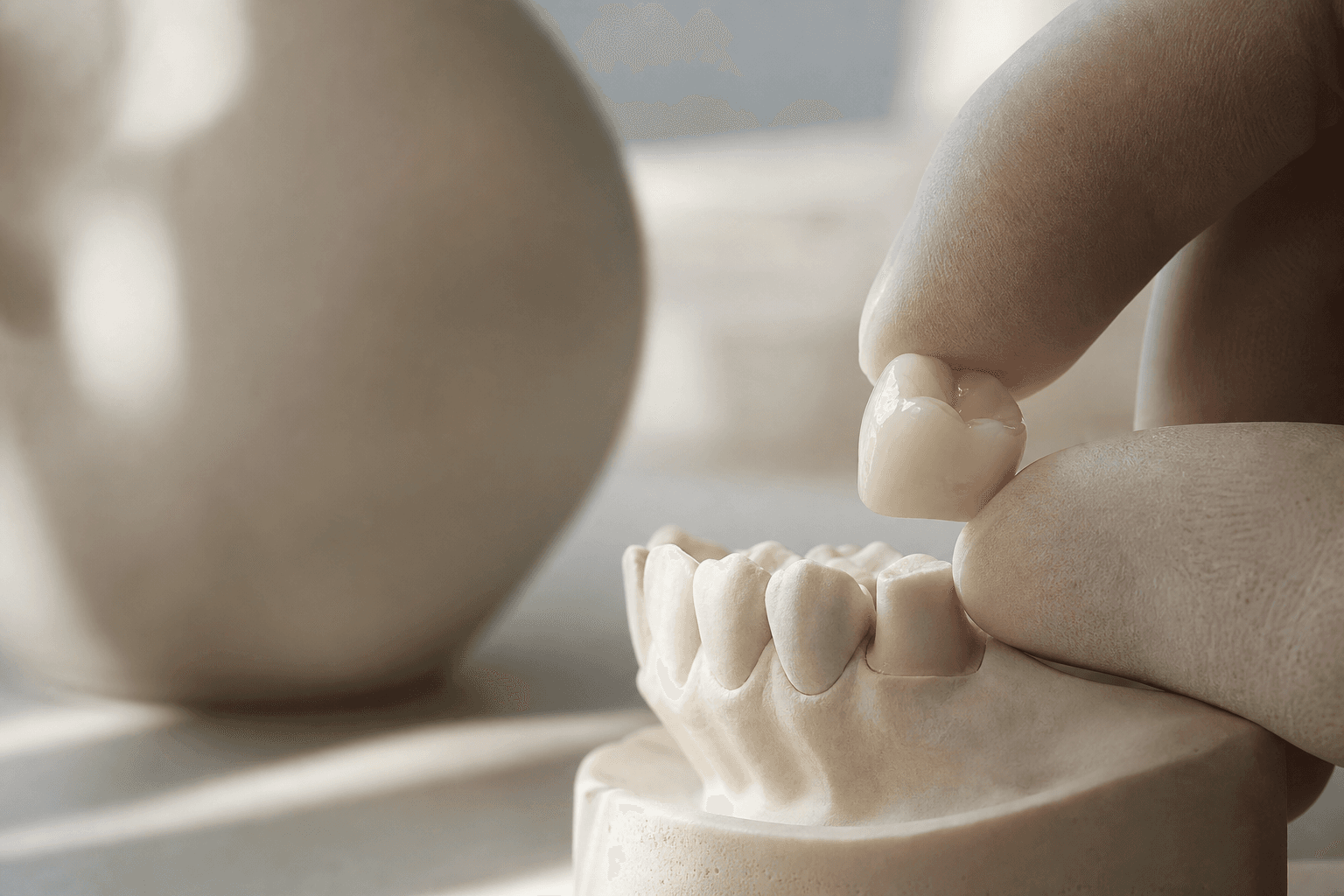
Dental Crowns
A crown caps and protects a weak, cracked, or treated tooth so you can bite and chew with confidence again.
Learn more
Emergency Dentist
Appointment availability must be confirmed; calling does not guarantee same-day treatment.
Learn more
Tooth Extractions
When a tooth can't be saved, a calm, gentle process and clear aftercare instructions.
Learn moreReady to talk about root canal therapy?
A root canal relieves the pain of an infected tooth and lets you keep it — and it is far gentler than its reputation suggests.