
Restorative Dentistry
Dental Fillings in Scarborough
A tooth-coloured filling that treats the cavity and blends in, usually finished in one visit.
Ask about tooth-coloured dental fillings at Cedarbrae Dental Center in Scarborough. We explain the findings from your exam and discuss the proposed treatment before you decide. Please contact our team to confirm appointment availability.
Open 7 days a week, including Saturdays and Sundays.
Arrange a filling assessment on Lawrence Ave E
Our clinic is at 3630 Lawrence Ave E, Scarborough, and welcomes new patients seven days a week. Call (416) 945-1000 or request an appointment online. Sending a request does not reserve a time; our team will confirm your appointment.
You can read about dental exams and crowns below, or visit our emergency dental care page if you are looking for an urgent appointment. Call to ask about current availability rather than assuming same-day treatment is available.
Why most fillings today are tooth-coloured
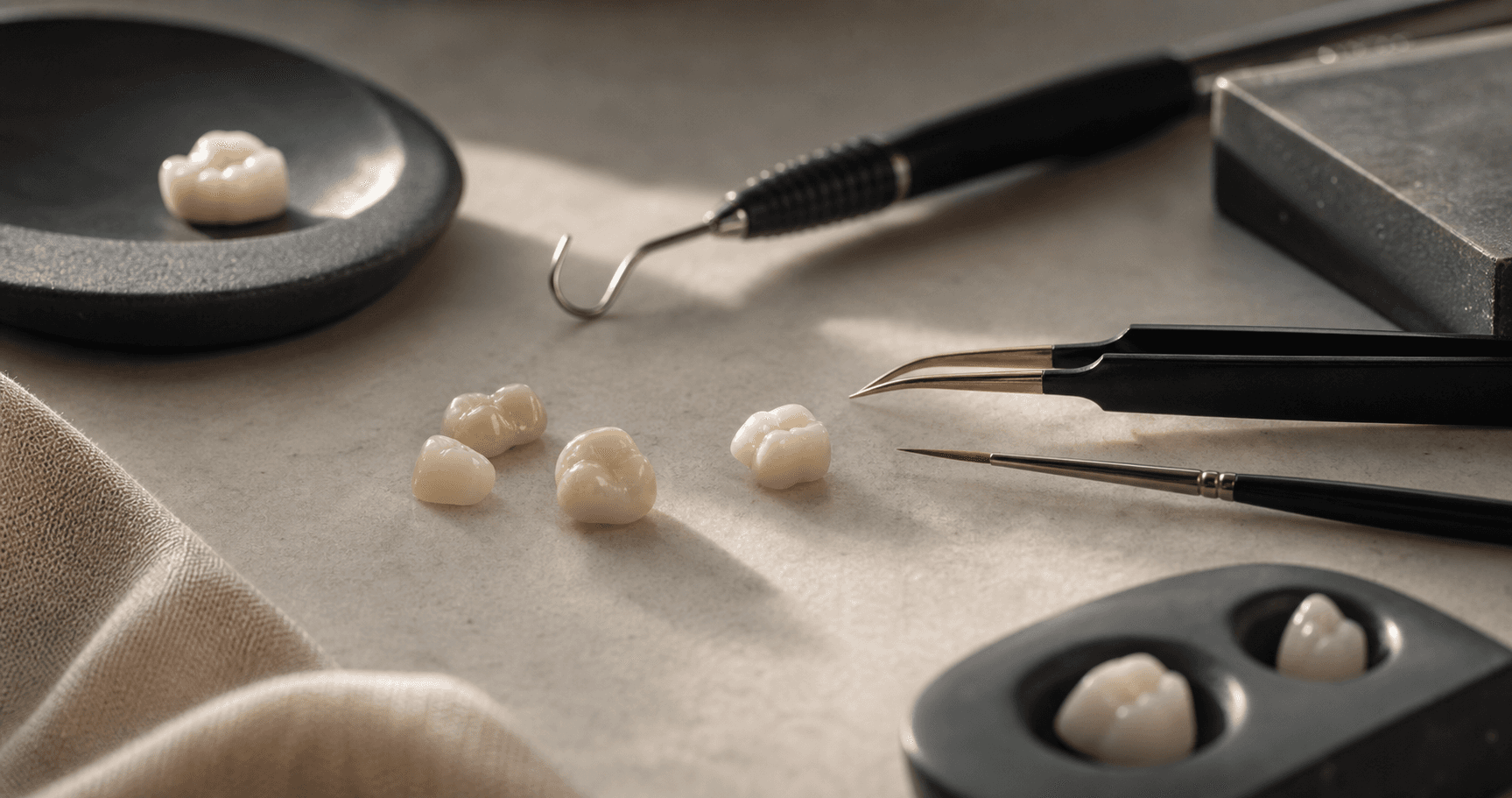
Composite fillings are made of a resin material that's shaded to match your natural tooth colour, so once placed, they're difficult to spot in everyday conversation or a smile. Unlike older metal fillings, composite bonds directly to the tooth structure, which means we can often preserve more of your healthy tooth rather than shaping it to hold the filling in place mechanically.
Composite also works for both front and back teeth, since the shade can be matched closely to the surrounding enamel. It's a well-established material with a long track record, and it's what we use for the large majority of fillings we place.
Taking care of a new filling is largely the same as caring for the rest of your teeth. Regular brushing and flossing keep bacteria from building up at the edges where the filling meets your natural tooth, and a checkup every six months lets us catch any small chips or wear before they become a bigger problem. If a tooth feels different when you bite down after a filling, or sensitivity to hot or cold lingers beyond a week or two, it's worth a quick call rather than waiting for your next scheduled visit, since a small adjustment early on is usually simple to make.
Have questions about dental fillings? Talk to us — we're open 7 days a week.
Request AppointmentWhat happens during a filling appointment
Numbing the area
We apply local anaesthetic so the tooth and surrounding gum are numb before we begin. Most patients feel pressure at most, not pain.
Removing the decay
We remove only the decayed portion of the tooth, keeping as much healthy structure as possible.
Preparing and bonding
The tooth is cleaned and prepared, and the composite material is applied in layers, each hardened with a curing light.
Shaping and polishing
We shape the filling to match your natural tooth contour and check your bite so it feels normal when you close your teeth together.
Filling versus crown: how we decide
Benefits
- A filling is generally quicker, less invasive, and less costly than a crown
- Composite bonds directly to the tooth, preserving more natural structure
- Most fillings are completed in a single visit
Honest limits
- If decay is extensive or a tooth has cracked significantly, a filling may not provide enough support and a crown becomes the better option
- Very large fillings can weaken a tooth's remaining structure over time, which is something we monitor at future checkups
What a filling costs
Filling cost depends mainly on size and location, since a small filling on one surface is simpler than a larger filling spanning several surfaces of a tooth.
- How many tooth surfaces the filling needs to cover
- Whether the tooth needed extra preparation, such as removing an old filling first
- Your dental insurance coverage or CDCP eligibility
We give you an exact written quote once we've seen the cavity, before we begin treatment.
Learn more about using your dental insurance or the Canadian Dental Care Plan.
Frequently asked questions
Reading for your dental fillings questions
Explore care questions and relevant treatment comparisons before your appointment.
Related treatments
Dental Exams & Checkups
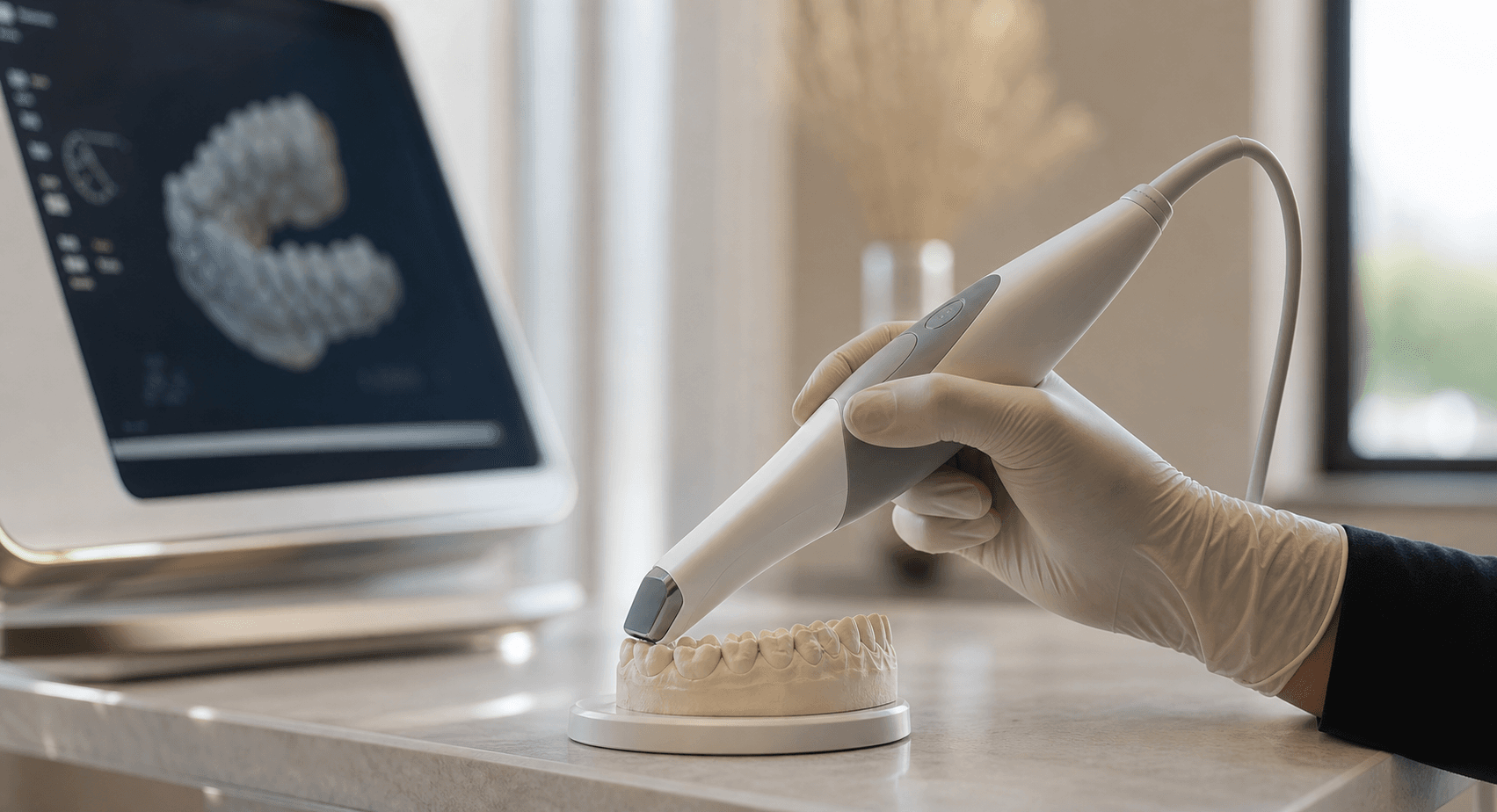
A thorough look at your teeth, gums, and bite, so small issues stay small.
Learn more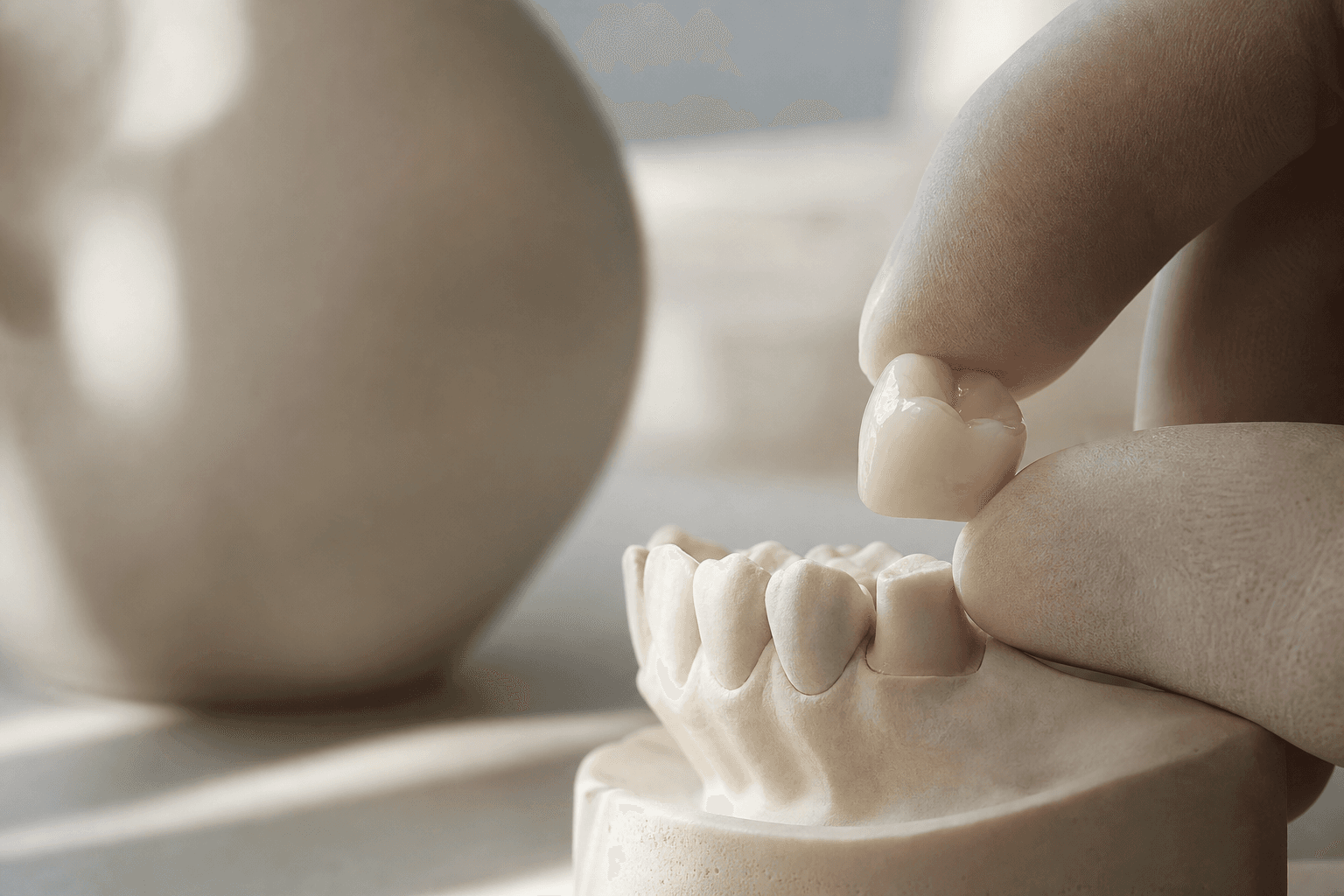
Dental Crowns
A crown caps and protects a weak, cracked, or treated tooth so you can bite and chew with confidence again.
Learn more
Dental Insurance Help
Help understanding your benefits, so you are not decoding a policy on your own.
Learn moreReady to talk about dental fillings?
A tooth-coloured filling that treats the cavity and blends in, usually finished in one visit.